Selling a House in a Difficult Situation?
Selling a house isn't always straightforward. Whether you've inherited a property, are dealing with difficult tenants, facing costly repairs, or simply need to move on, we're here to help you explore your options.
At Ideal Home Sale, we buy houses in virtually any condition and can work with situations that make a traditional sale more complicated.
Explore the situations below to learn more about your options, or contact us to discuss selling your property directly for cash.
It takes about a minute, there's no obligation, and your details are never sold.
or call Jason (425) 242-4673
Guides for selling a house in a difficult situation

Behind on payments
The letters from the lender keep coming, and you're not sure how much time is left.
Washington's earliest trustee's sale is 190 days after the default. The guide lays out each notice, the options that don't involve selling, and where a sale fits.

Inherited a house
Someone in the family has died, the house is full of their things, and nobody is sure who is allowed to sign.
In Washington the personal representative signs, and with nonintervention powers the sale needs no court order. The guide walks through each probate path, the county courts and the tax questions heirs ask.

Tenants in the house
You're done being a landlord, but someone lives in the house and has a lease.
You can sell with the tenant in place, and the buyer takes over the lease. To sell a single-family house empty, Washington requires at least 90 days' written notice first.

Liens or back taxes
A judgment, a contractor's claim or years of unpaid property tax sit on the title, and it feels like the house can't move.
Most liens are paid from the sale at closing, and the title report lists them before you sign. Unpaid property tax stays a lien until it's paid, and the guide explains how county tax sales work.

Needs more work than you can take on
The roof, the furnace and the crawlspace are all due, and you don't have the money or the months to fix them.
A house can sell as it is, with no repairs first, though Washington's seller disclosure still applies in most sales. The as-is guide explains what that does to the price and the three ways to sell one.

Relocating
The new job starts soon, and the house still has to sell after you've gone.
You don't have to fly back to close: a Washington notary can notarize your signature over live video, and a notary in your new state counts too. The guide covers selling before or after the move, the empty house, and renting it out instead.
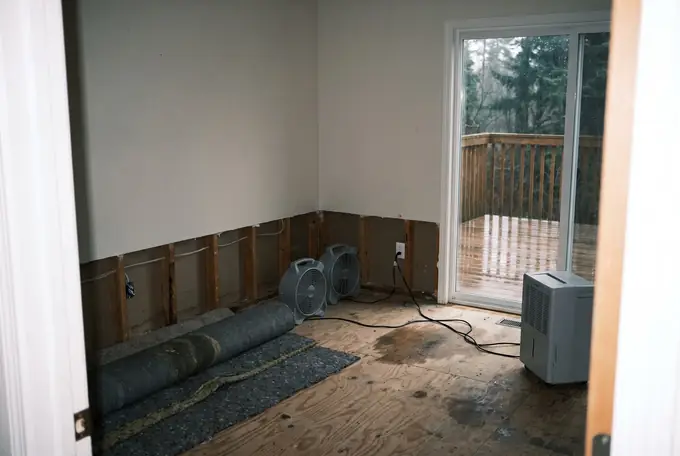
Fire or water damage
A pipe burst, the roof leaked for a winter, or a fire got into the kitchen, and the claim is still open.
Washington's seller disclosure asks whether the roof has leaked in the last five years and whether the basement has flooded or leaked. The guide covers what homeowner insurance usually pays, how the claim and your lender fit a sale, and mold.
Selling a house with fire, water or mold damage in Washington
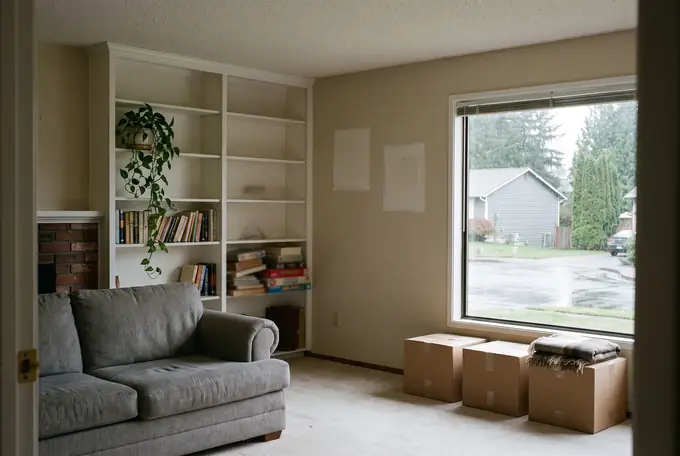
Divorce
The marriage is ending, both names are on the deed, and the house has to be sold or bought out.
In Washington both spouses sign to sell community real estate, unless a court order or the decree says who can. The guide covers selling before or after the decree and how escrow splits the proceeds.

A house full of belongings
Fifty years of furniture, boxes and keepsakes fill every room, and clearing it all feels like a second job.
A house doesn't have to be empty to sell; what stays and who clears it are set in writing. In an estate, the personal representative decides what happens to the contents. The guide covers estate sales, donation and what can't go in the trash.


Not sure which applies?
Call and describe the house in a sentence or two, or send the address with a note. Many houses fit more than one guide, such as an inherited rental with back taxes, and the order matters: who can sign comes first, then the tenants, then the liens. The number is (425) 242-4673.
- If the owner has died, start with the inherited-house guide, because nothing else can move until someone has the power to sign.
- If someone rents the house, read the tenants guide before you give any notice, since the notice sets your earliest date to sell it empty.
- If the title report shows liens or unpaid tax, the liens guide explains how they're paid at closing and when the numbers stop working.
Questions sellers ask
What if more than one of these applies to my house?
That's common. Deal with authority first, then occupancy, then money: who can sign, whether someone lives there, and what's owed against the house. Each guide links to the others where they overlap.
Do you buy houses in any condition?
I look at houses in all kinds of condition, and single-family houses that need work are what I look at most. Whether a cash offer makes sense depends on the house, so the honest answer comes after a walkthrough.
Do I need a lawyer to sell a house in one of these situations?
Often you will, though not in every case. An estate sale usually runs with a probate attorney advising the personal representative, and a tenant notice or a lien that's larger than the house's value is worth an attorney's review. A title company handles the closing itself either way.
Is anything I type on these guides sent to you?
No. The small tools on the inherited-house and tenants guides run in your browser, and nothing typed into them is sent anywhere. The address form is different, since it's how you reach me, and the privacy policy explains what it keeps.

Tell me what's going on with the house
Send the address and a line about the situation. We'll schedule a walkthrough of the house as it is and put the numbers in writing, with no pressure to take them.
It takes about a minute, there's no obligation, and your details are never sold.
or call Jason (425) 242-4673