Sell your house fast in Covington, WA
"Can I sell my house fast in Covington without a round of updates first?" Yes. We walk the house, and when it's a fit, we buy houses in their current shape and put the offer and your other options on paper. Nearly eight in ten Covington homes are owner-occupied, and most were built in the 1990s or later.
It takes about a minute, there's no obligation, and your details are never sold.
or call Jason (425) 242-4673
- Real Estate Investor Since 2003
- Licensed Real Estate Broker
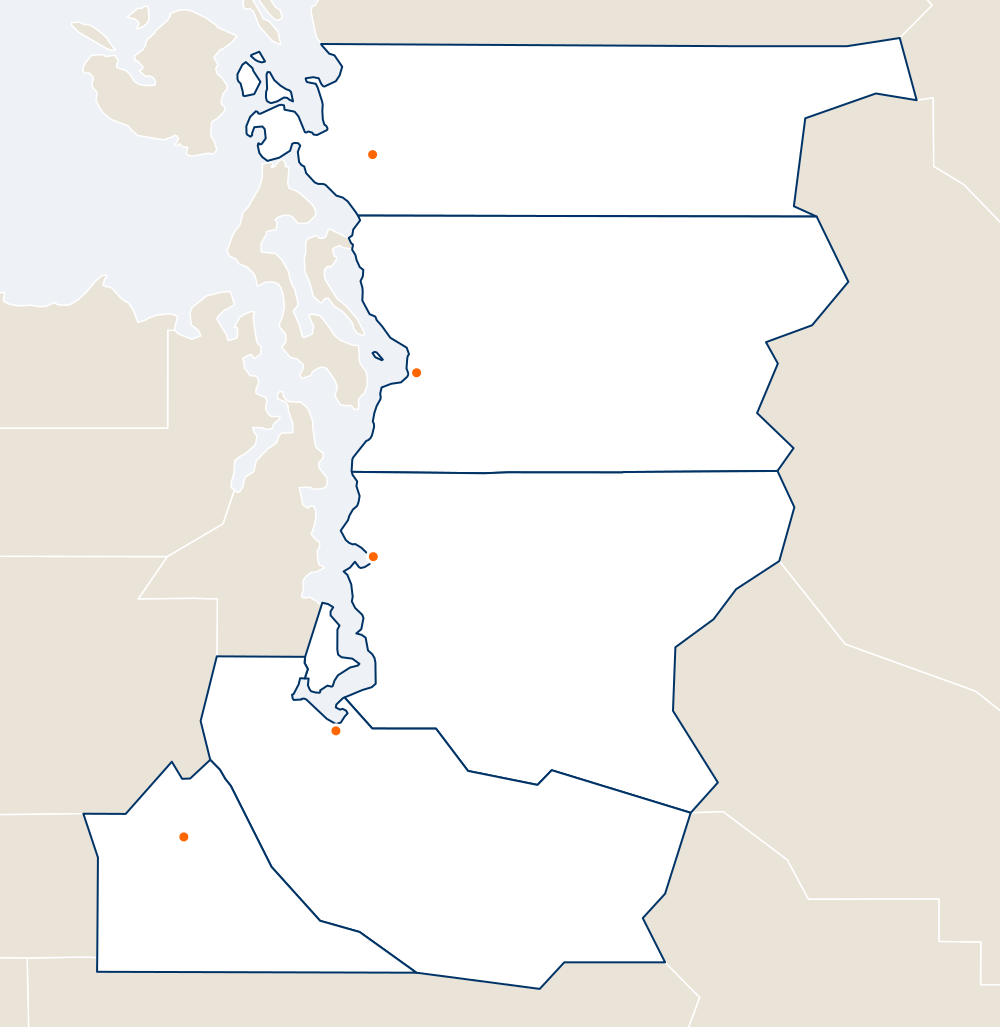
- Much of Washington, from Skagit to Thurston County and beyond
Last updated

Covington by the numbers
Each figure below names its source and its month, from data refreshed on .
What selling a house in Covington looks like right now
Covington is a city of owners. 78.9% of its homes are owner-occupied, against 55.4% for King County, and 86.8% of the housing is single-family detached. That makes the market here almost entirely houses sold by the families who live in them, to families who want to.
Prices have slipped more here than in the neighboring cities. Zillow's typical home value for Covington was $652,689 in August 2026, down 1.9% from a year earlier, a larger drop than Kent's down 1.1% or Auburn's down 0.3% over the same months. The Census Bureau's 2020 to 2024 survey gives a separate number, a median owner-estimated value of $637,300. Zillow's figure is a model of current market values and the Census figure is what owners reported, so they are labelled apart and not compared as if they measured the same thing. By either measure, a Covington house costs less than the King County typical home, which Zillow put at $835,385, and that price gap is part of why families have moved out to the plateau.
Houses also took a little longer to sell. Redfin counted 32 Covington sales in May 2026, with a median of 25 days on market and an average sale price of 99.4% of list. That is a small market, with about 69 homes listed for sale in August 2026 by Zillow's count, so a handful of houses priced too high or one unusual sale can move the figures noticeably from month to month.
Is it harder to sell a house in Covington right now? A little, compared with the cities around it, and mostly for houses that need work. The median Covington home that sold in May 2026 spent 25 days on market, against 17 in Kent and 18 in Auburn, and values have dipped 1.9% over the past year. In a market like that, buyers can be choosy. They compare several houses of similar size and age in nearby subdivisions, and the one with an older roof, original windows or a dated kitchen is the one they skip or bid low on. A house in good shape and priced well still sells near its asking price. For a house that would need repairs before it shows well, what you need to know is whether the repairs would pay for themselves in a softer market, and how long you can carry the house while you find out. A cash sale takes the house as it is, priced for the work.
The incomes behind those prices are high for South King County. The Census Bureau puts Covington's median household income at $134,502, and its median gross rent at $2,232. Many sellers here are moving up, moving away for work or moving into something smaller, rather than selling because they have to. That changes the timing more than the price: a family buying its next house wants to know when the money from this one arrives, and a sale that depends on a buyer's loan approval, appraisal and inspection is harder to line up against a closing on the other end.
Which situations come up most in Covington?
Covington's sellers are mostly owners leaving a house they have lived in for years. The situations that come up most are a job move with a tight deadline, a 1990s house that needs its first big round of replacements, an estate, property tax or HOA dues that fell behind, and a divorce.
How to sell my house fast in Covington when a move can't wait
A transfer, a new job out of state or a move closer to family can leave you owning a Covington house in one city while you start work in another. Listing it means keeping the house show-ready from a distance, paying two housing costs at once and handling repair requests by phone. Some owners do that and do fine, especially with a house that needs little. Others would rather sell before they leave, or sell after they've gone without coming back to manage it, and a buyer who doesn't need financing or a repair list makes that simpler.
The parts that take time can be handled from anywhere. The walkthrough can be done with a neighbor or a friend holding the key, the closing documents can be signed with a mobile notary in the city you've moved to, and the escrow company sends the money by wire.
A 1990s Covington house that needs its first big repairs
The median Covington home was built in 1994, and only 29.0% of the city's homes are older than 1980. That means the typical house here is around thirty years old, which is when the roof, the furnace, the water heater, the windows and the deck tend to reach the end of their lives within a few years of each other. Each item is ordinary on its own; together they can add up to a large bill, and a buyer's inspector will list every one.
You can replace them before listing, or sell the house as it is and let the price reflect the work. For a house that only needs paint and carpet, listing is usually the better deal, and you'll be told so.
Downsizing after the kids have moved out
Plenty of Covington houses were bought by young families in the 1990s, and the same owners now have four bedrooms, a big yard and a garage full of twenty-five years of belongings. Moving to something smaller often means selling a house that was well loved but not updated, with the original kitchen, carpet and bathrooms. Updating it first can make sense for a listing; selling it with the contents sorted but not emptied, and the updates left to the buyer, is the other path.
Water in the crawlspace or a yard that won't drain
Subdivision lots graded decades ago don't always shed water the way they should. Downspouts that empty next to the foundation, a crawlspace vapor barrier that has torn or slipped, and a back yard that stays soggy all winter are some of the more common findings on a Covington walkthrough. Water problems scare buyers more than almost anything else, because they can't see how far the damage goes. A seller who knows about one has to disclose it, and pricing it in from the start is usually easier than renegotiating after an inspection.
A Covington house left in an estate
When a parent leaves a Covington house, families often hope to skip probate. Washington's small-estate affidavit can collect money and personal property, but it does not pass real estate, so a house needs a probate case or a non-probate transfer (RCW 11.62.010). Probate for a Covington house is filed with King County Superior Court, at the courthouse in Seattle or the Maleng Regional Justice Center in Kent, the nearer of the two for most Covington families.
Once appointed with nonintervention powers, the personal representative can usually sell the house without a court order approving the price (RCW 11.68.090). A sale by a personal representative is also one of the exemptions from Washington's seller disclosure form, which helps when the family never lived in the house and can't answer questions about it.
Property tax or HOA dues that fell behind
Three years of unpaid property tax lets King County move toward a tax foreclosure on a Covington house (RCW 84.64.050). The treasury sells those parcels at a yearly auction, and an owner who pays the full amount can still redeem the day before it; the county card below shows the next auction date while one is posted and ahead.
Many Covington subdivisions also have a homeowner association, and unpaid dues can turn into a recorded lien with fees on top. A sale settles both: the escrow company pays the treasury, the association and any other lienholders from the proceeds and sends you what's left.
A second mortgage or a home equity line
Owners who have been in a Covington house for a long time often borrowed against it along the way, for a remodel, a car or college. A home equity line, or HELOC, is a lien like any other, and it is paid off from the sale together with the first mortgage. Ask each lender for a written payoff good through your expected closing date, and if the line is still open, ask how to freeze it, since the payoff has to cover whatever is drawn up to closing.
Divorce and a house both spouses own
A Covington house bought during a marriage is often community property, and Washington requires both spouses to join in the deed to sell it (RCW 26.16.030). That means both signatures at closing, even when one spouse has moved out. If the divorce is underway, the decree or a written settlement usually says how the proceeds are divided, and the escrow company follows it.
The occasional Covington rental
Only about 21.1% of Covington's homes are rented, often by owners who moved and kept the house. Selling one with a tenant inside means either a buyer who takes over the lease or a notice period before the house is empty, and the lease decides much of the timing.

King County specifics for Covington sellers
Covington's county business runs through King County offices. A probate case opened in King County is filed with the Superior Court's ex parte and probate department, and property tax, including any tax foreclosure, goes through the King County Treasury.
County offices you may deal with in King County
Probate
King County Superior Court, Ex Parte and Probate
King County Courthouse, 516 3rd Ave, Seattle, or the Maleng Regional Justice Center, 401 4th Ave N, Kent.
Property tax and tax sales
King County Treasury, tax foreclosures
King County's 2026 auction covered taxes from 2022 and earlier, and an owner could redeem up to the day before it (RCW 84.64.050 sets the three-year trigger).
The next sale date isn't posted yet. The treasurer's page lists it once it is.
For Covington, the Kent courthouse on Fourth Avenue North is usually the closer trip when a filing has to be made in person. The treasury's tax account lookup shows what is owed on a parcel today, which is worth checking before you set a sale price, since the balance comes out of your proceeds. If the house has been in a family trust or an estate, the treasury account shows whose name the bill goes to, which helps confirm who has to sign. King County also mails the yearly tax statement to the owner of record, so for an estate house, make sure someone is collecting the mail.
More on the rest of the county, from Seattle to Auburn, is on the King County page.
Cash sale or listing in Covington: a worked example
Suppose your Covington house would sell at the city's median sale price in May 2026, $681,000 according to Redfin. On that price, Washington's excise tax is about $7,772, the local excise tax about $3,405, and each 1% of commission another $6,810.
| List it | Take a cash offer | |
|---|---|---|
| Price | $681,000 | Your written offer |
| State excise tax | $7,772 | The same graduated rate, on the offer |
| Local excise tax (0.5%) | $3,405 | 0.5% of the offer |
| Commission | $6,810 for each 1% you agree | No listing commission |
| Repairs, prep, months on the market | Your bids and your monthly costs | Priced into the offer |
The empty rows are where a Covington house differs from the median. Get prices for the items an inspector would flag on a thirty-year-old house, such as a roof, windows, a furnace or a deck. Add the months of mortgage, tax, insurance, HOA dues and utilities you would pay while the house is on the market, which runs longer here than in Kent. Subtract both from the listing column, then put the result next to a written cash offer.
Jason can work out both columns with you: a written cash offer when your house fits, and what a listing would probably net when the house is ready for the market. Some Covington owners take the offer, some list, and some hold off. Jason Bryant is a licensed broker with Windermere Real Estate (license 101377).
Two Covington costs are easy to forget in the listing column. HOA dues keep coming while the house is on the market, and many associations charge a fee to prepare the resale documents a buyer needs. Neither is large on its own, but both belong in the math, along with any repair allowance a buyer asks for after the inspection.
With values down 1.9% on the year, the cost of waiting matters more here than in a rising market. Each extra month on the market is another month of mortgage, tax, insurance and HOA payments, and a price cut partway through a listing usually costs more than starting at the right price.

Covington's subdivisions, and what their houses tend to need
Covington grew as a suburb on the plateau east of Kent, along State Route 516, and became a city in 1997. Most of its houses are in subdivisions built from the 1980s on, and 39.4% of the city's homes went up in 2000 or later. Shops, schools and services line the highway through the middle of town, and the subdivisions spread north and south of it, many of them on cul-de-sacs with their own entrance signs and associations.
The typical Covington house is a two-story or a split-level on a modest lot, with an attached garage and a fenced back yard, in a neighborhood where many houses were built by the same builder in the same few years. That sameness helps a seller in one way, because recent sales of near-identical houses make pricing easier, and hurts in another, because a buyer can see at a glance which house on the street has been kept up and which hasn't. If three houses with the same floor plan sold in your subdivision this year, the one most like yours in condition is the best guide to your price, better than any city-wide median.
- Roofs: a composition roof from the 1990s has usually reached the end of its life, and moss on the shaded side speeds that up.
- Supply plumbing: some houses from the late 1970s into the mid-1990s were plumbed with gray polybutylene pipe, which buyers and insurers ask about.
- Windows and doors: early vinyl windows with fogged panes, and sliding doors that stick or leak at the track.
- Mechanical: an original furnace, heat pump or water heater, often due for replacement on age alone.
- Outside: wood decks with soft boards, fences leaning at the posts, and siding that needs caulking and paint.
Houses built after 2000 usually need less, and the questions shift to the HOA's documents, the condition of the deck and the age of the water heater. For those, listing is often the better route. For a 1990s house with several of the items above due at once, selling as it is can make more sense, and the walkthrough is where you find out which applies. Either way, knowing the age of the roof and the furnace before anyone walks through takes much of the guesswork out of the price.

The seller disclosure form when you sell a Covington house
Most Washington home sales come with a seller disclosure statement, known as Form 17, and Covington sellers ask about it often because they have owned the house long enough to know its history.
The law has no exemption for a house sold as is: an as-is sale still needs the form unless another exemption applies, such as a sale by a personal representative or a buyer who waives it in writing (RCW 64.06.010). The form is due within five business days of mutual acceptance unless the parties agree otherwise, and the buyer then has three business days to rescind (RCW 64.06.030).
If the buyer rescinds during that window, the sale ends and the earnest money goes back to the buyer, so a disclosure that surprises the buyer can cost you the deal and the time it took. Filling it out before you go under contract, and having the answers ready for the first buyer who asks, avoids most of that.
For an owner who has lived in a Covington house for twenty years, the form is a chance to write down what you know: the roof that was replaced, the leak under the kitchen sink that was fixed, the drainage problem in the back yard. Answering honestly protects you after the sale. If you don't know the answer to a question, the form lets you say so. A sale to a cash buyer still uses the form unless the buyer waives it in writing, so expect to fill it out whichever route you take, and keep a copy with your closing papers.
The form asks about the roof, the plumbing, the foundation, water problems, permits, the HOA and more, and it is far easier to fill out with your receipts and old inspection report in hand. Use the current version of the form, which the title company or the buyer's side can provide, since it has been revised.

Pricing a house in a small, slower Covington market
Covington is small enough that its market can turn on a few houses. Redfin's May 2026 figures rest on 32 sales, and Zillow showed about 69 homes for sale in August 2026, in a city of 21,233 people.
In a small market, every listing competes with the handful of others on the market that month. If two houses like yours are listed a short drive away at a lower price, buyers see them first, and the longer a house sits, the more they wonder why. With values lower than a year ago, the price that worked for a neighbor last spring may be too high now.
The practical answer is to price off the most recent sales of houses like yours, in condition as well as size, and to decide in advance what you'll do if the house hasn't drawn an offer after the first few weeks. A house that needs work should be priced as one; listing it at the price of the updated house next door usually ends in a price cut and a lower sale than if it had started at the right number.
A softer market also raises the appraisal question. A buyer's lender orders an appraisal based on closed sales from recent months, and when prices are drifting down, the appraisal can come in under the price you agreed. Then the buyer asks you to lower the price, brings more cash, or walks away, and the house goes back on the market with a few more weeks behind it.
A cash offer works from the same recent sales, minus the cost of the work and the buyer's own costs to resell, and it should come with that reasoning written down. Set it beside a realistic listing price rather than a hopeful one. Then weigh the difference against the months a listing might take and the repairs it would need, and the choice usually becomes clear. Some owners still list, and that is a fine outcome when the house is ready for it.
How a sale works with Jason in Covington
The same steps apply in Covington as everywhere Ideal Home Sale buys. It begins with a call or the address, then we visit the house as it is, with no cleaning or staging beforehand. If you've already moved, the visit can be set up with whoever has the key, and you can join by phone while we walk through.
You call or send the address
Tell Jason a little about the house and what you need from the sale.
We schedule a walkthrough
One visit, in person, with no cleaning or repairs first.
You get your options in writing
A written cash offer when the house is a fit, and what a listing would likely leave you, side by side. Jason Bryant is a licensed broker with Windermere Real Estate (license 101377).
You choose
Take the offer, list, or do neither, with no obligation to pick any of them.
It closes at a title company
A licensed title or escrow company handles the money and the deed, on the date you agree.
Covington sales close through a licensed title or escrow company, which pays off the loan, any back taxes and HOA balances, and records the deed with King County. If you have already bought your next house, the escrow officer can work with your new lender or agent so the money from this sale arrives when you need it there. The how-it-works page walks through every step.

Illustration. 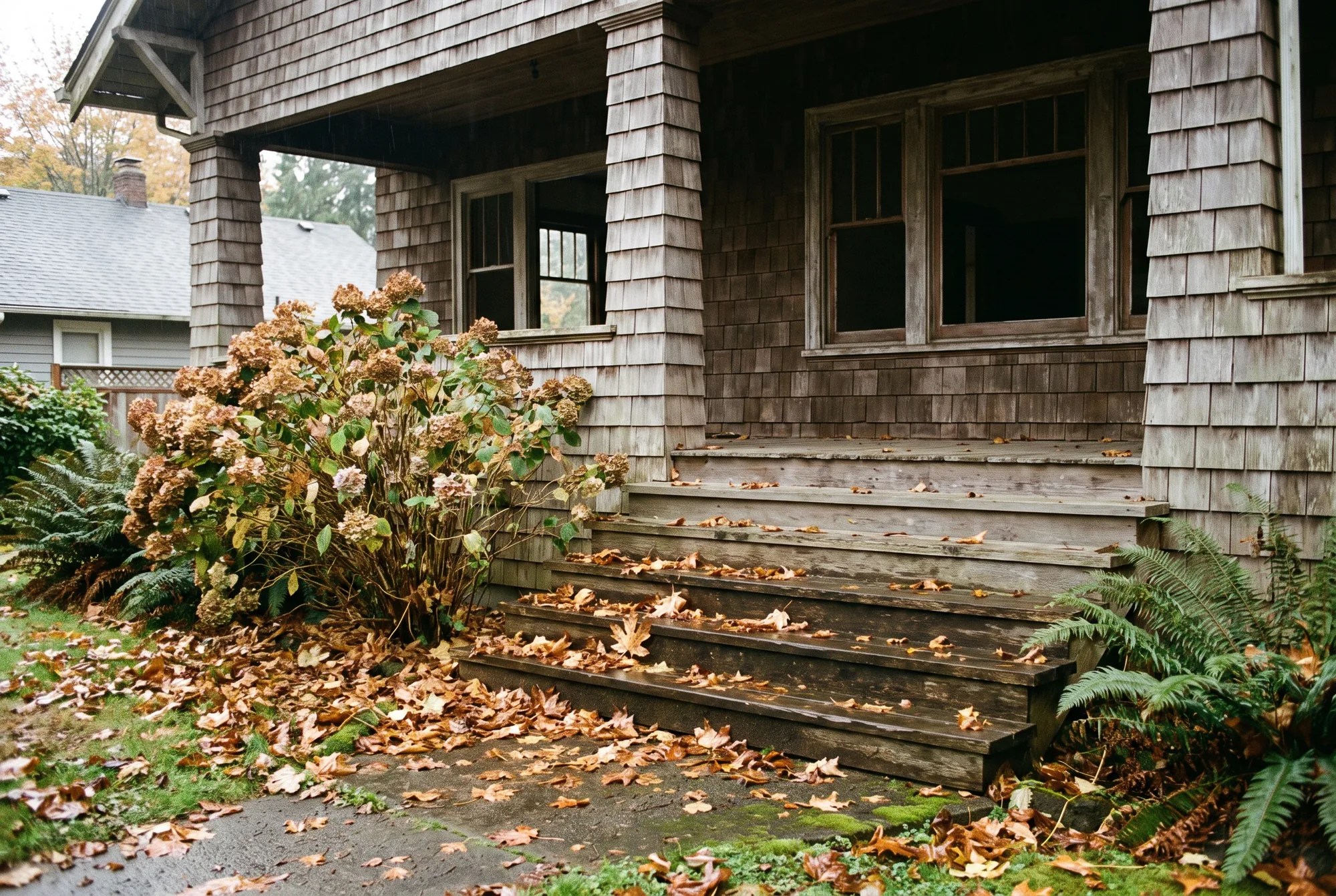
Illustration. 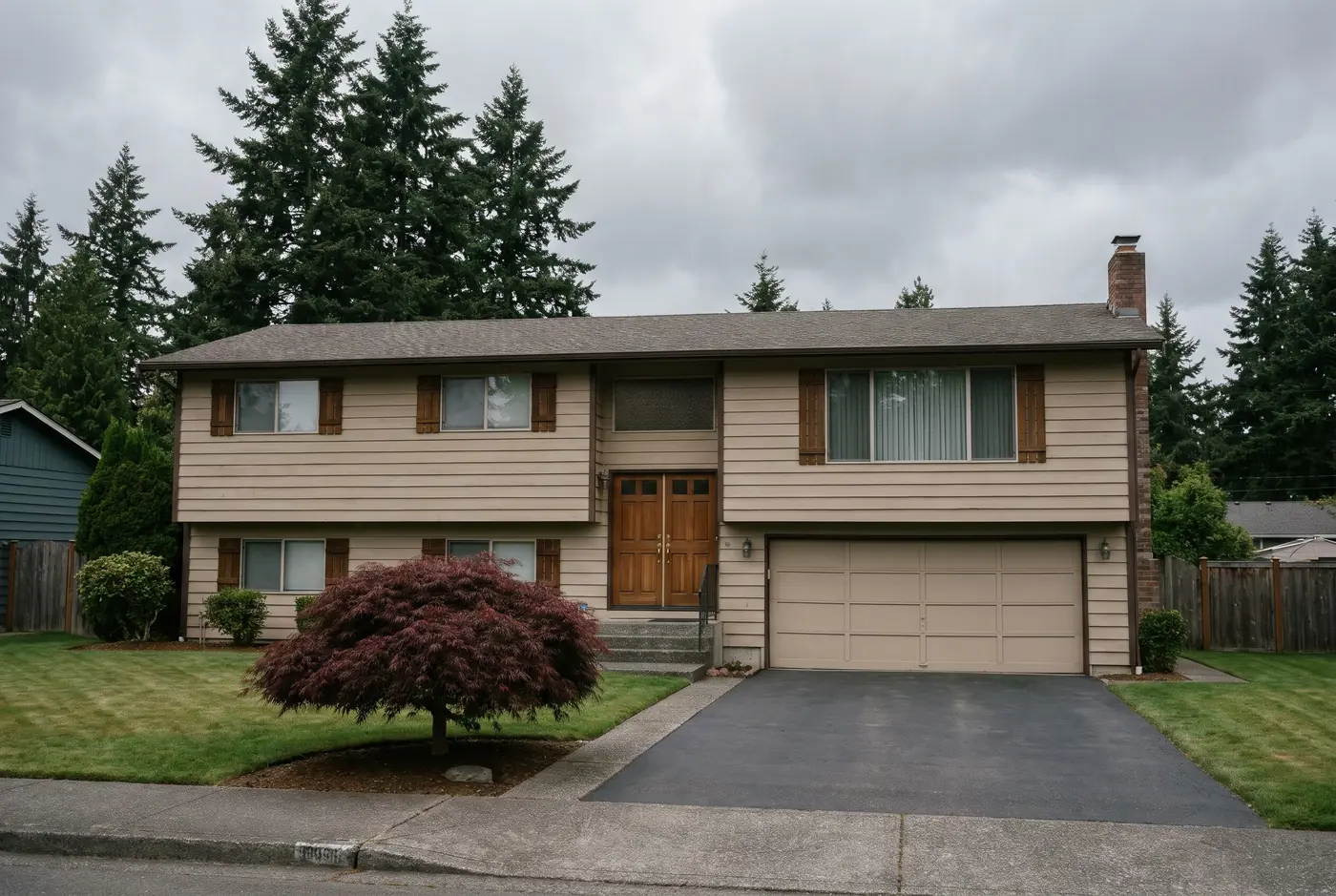
Illustration.


Getting a Covington house ready to sell, either way
Whether you list or take a cash offer, a few things make the sale go better. None of them are required for a first conversation, and most can be done from home in an afternoon.
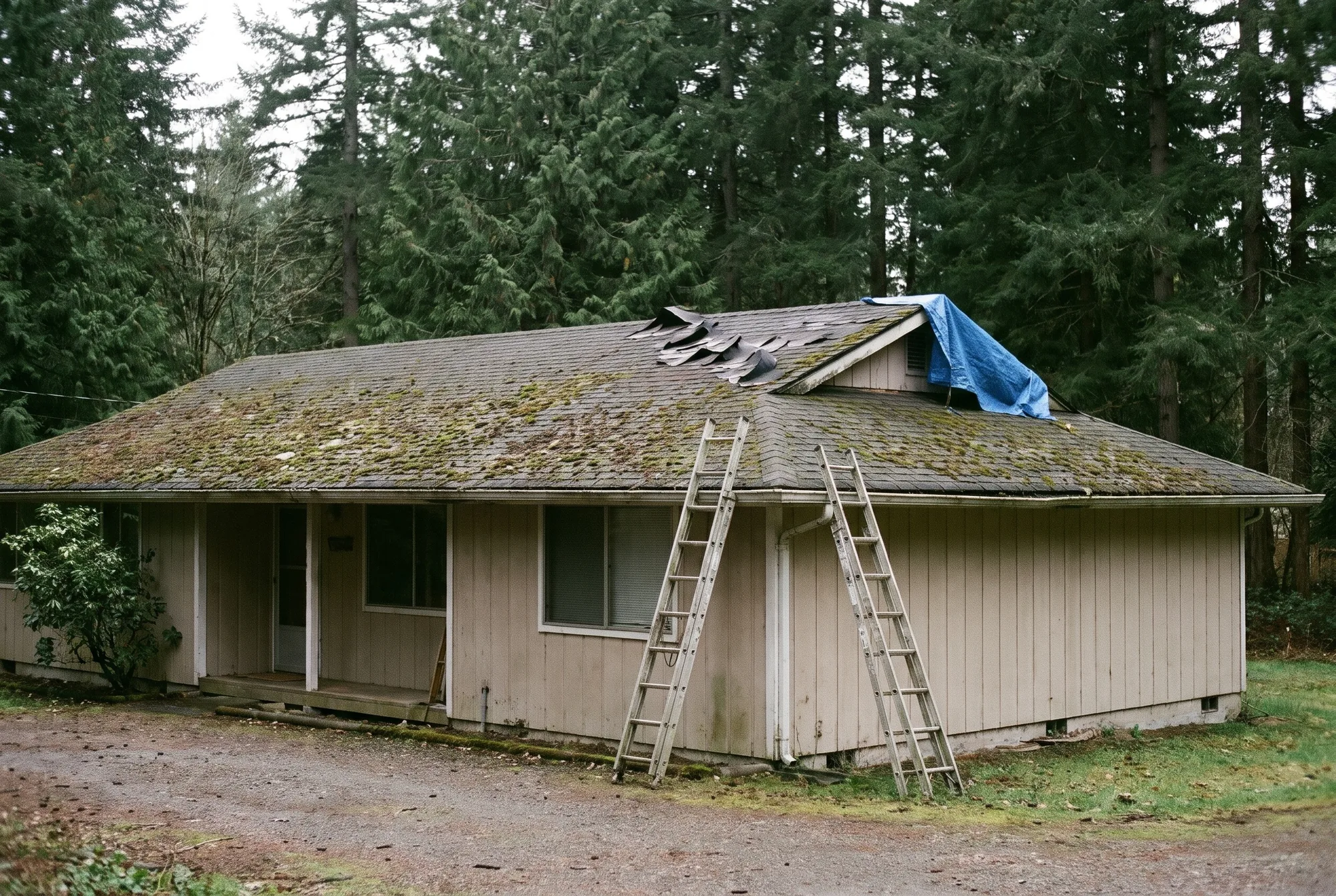
Illustration. 
Illustration. 
Illustration. 
Illustration. 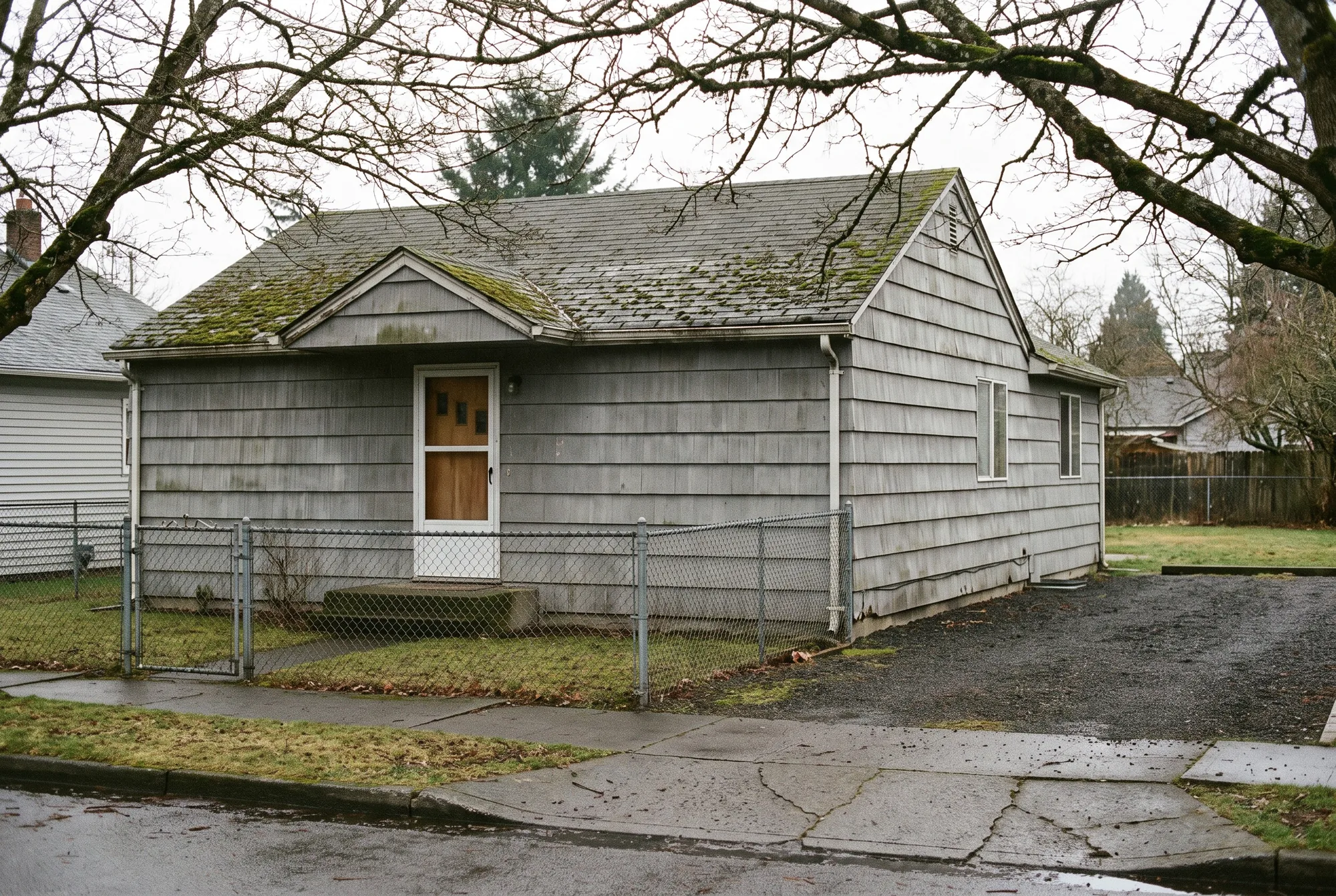
Illustration. 
Illustration. 
Illustration. 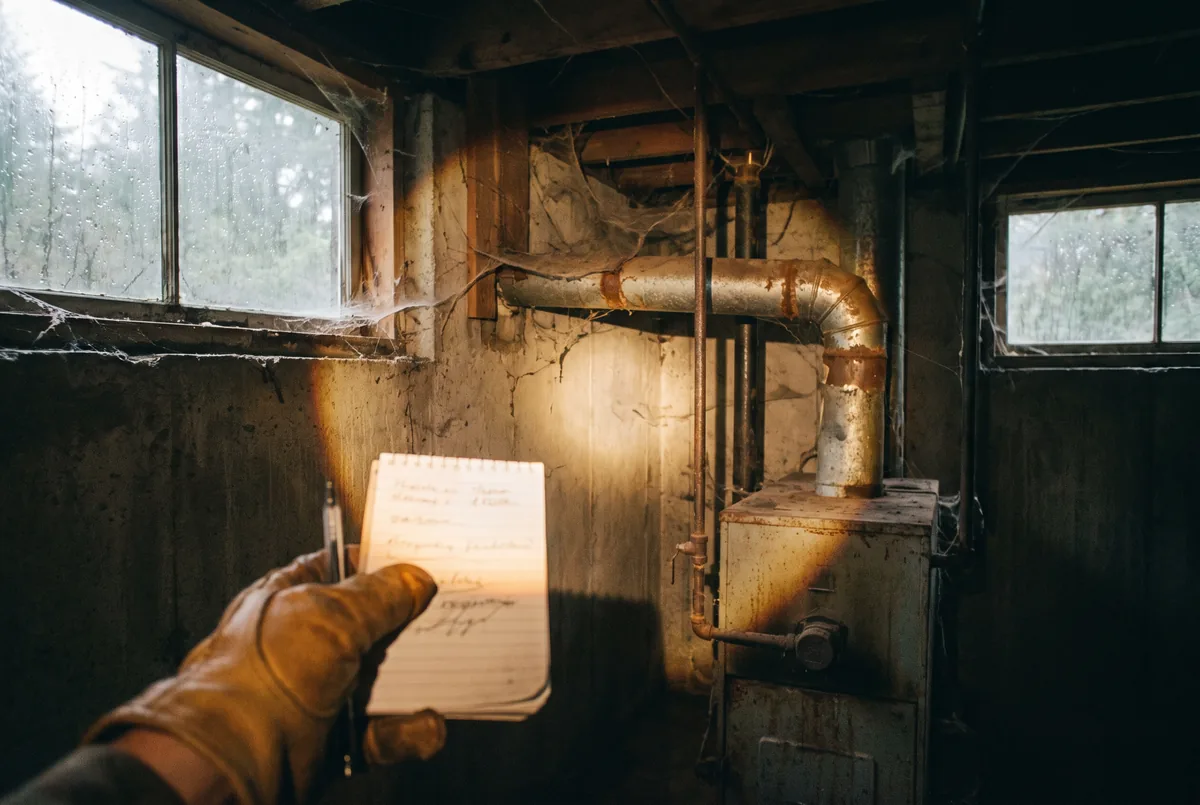
Illustration. 
Illustration.


- Pull the last King County property tax statement and check whether any balance is owed.
- Ask the HOA, if there is one, for a dues statement and what its resale documents cost to order.
- Find receipts for the roof, furnace, water heater and windows, with the year each was done.
- Get a payoff figure from your lender, and from any home equity line.
- Walk the house with a notepad and write down every problem you're aware of, since each one goes on the disclosure form anyway.
- Decide what stays: appliances, a hot tub, a play structure or a shed.
If you plan to list, the list above is also where the first repairs come from. If you'd rather sell as it is, the same papers let a cash offer be priced more closely, because the buyer can see what has already been replaced. Bring the list to the walkthrough, and the conversation can start from the facts you have instead of from scratch.
Questions sellers ask
Are house prices going up or down in Covington?
They have come down a little. Zillow's index for Covington stood at $652,689 in August 2026, down 1.9% over twelve months, a steeper dip than in Kent or Auburn. Houses in good condition and priced to the recent sales still sold close to asking.
How fast do houses sell in Covington?
Redfin's median for May 2026 was 25 days on market, from 32 sales. That was slower than nearby Kent and Auburn, and a house needing repairs usually takes longer still.
Do you buy houses in Covington as-is?
Yes, when the house is a fit. Ideal Home Sale makes a cash offer on Covington houses as they stand, including ones with an old roof, failing windows or plumbing problems. There's nothing to repair or empty out before the walkthrough.
Where is probate handled for Covington houses?
With King County Superior Court's ex parte and probate department. It takes filings at two locations, the Maleng Regional Justice Center at 401 4th Ave N in Kent and the King County Courthouse at 516 3rd Ave in Seattle.
When is King County's tax sale?
The King County Treasury auctions tax-delinquent parcels once a year, for property three or more years behind. The date is posted on the treasury's tax foreclosure page, and the county card here shows it while it's still ahead.
Do I have to fill out a disclosure form if I sell as-is?
Usually yes. Washington's seller disclosure law has no as-is exemption, though a sale by a personal representative is exempt and a buyer can waive the form in writing.
Do you buy Covington houses in an HOA?
Yes. Many Covington houses are in subdivisions with an association, and that is fine. Unpaid dues, if any, are paid from the sale at closing, and the resale documents are ordered through escrow. The association's rules don't change who can buy the house, though some limit renting it out afterward.
Is Covington a buyer's or seller's market?
It leans a little toward buyers. Covington sales in May 2026 averaged 99.4% of list price (Redfin), and values are down over the year, so sellers have less room on price than in a rising market.
Sources
- US Census Bureau, American Community Survey 2020-2024 5-year estimateschecked
- Zillow Research, Zillow Home Value Index (typical home value, mid tier)checked
- Zillow Research, median days to pending and for-sale inventorychecked
- Redfin Data Center, city market tracker (all residential, monthly)checked
- Washington Department of Revenue, real estate excise taxchecked
- Washington Department of Revenue, local REET rates effective January 1, 2026 (form 84-0013)checked
- RCW 11.62.010, small-estate affidavit (personal property only)checked
- RCW 11.68.090, sale of estate property under nonintervention powerschecked
- RCW 84.64.050, certificate of delinquency after three years of unpaid taxchecked
- RCW 26.16.030, community property and joining in a deedchecked
- RCW 64.06.010, exemptions from the seller disclosure statementchecked
- RCW 64.06.030, delivery of the disclosure statement and the buyer's right to rescindchecked
- Washington Courts directory, King County Superior Courtchecked
- King County Superior Court, ex parte and probate procedureschecked
- King County Treasury, tax foreclosureschecked

Start with the address of your Covington house
Send the address and a line about your timing. We'll call you back to set up a visit, and your options will be in writing before you decide anything.
It takes about a minute, there's no obligation, and your details are never sold.
or call Jason (425) 242-4673